Best Practices for Maintaining a Balcony Composter
Chosen theme: Best Practices for Maintaining a Balcony Composter. Turn everyday scraps into rich, living soil without mess, odor, or neighbor complaints. Let this friendly guide help you build a simple routine, avoid common pitfalls, and grow healthier plants right outside your door. Share your balcony setup and subscribe for more compact composting know-how.
Choose a right-sized container and footprint
Pick a lidded, food-grade bin between ten and twenty gallons with a locking top, drainage holes, and a capture tray. A breathable lid insert or small vents encourage airflow without inviting pests. Tell us your balcony size, and we will suggest proportionate container options in future posts.
Position for airflow while avoiding direct rain
Place the composter in bright shade, sheltered from heavy rain and strong wind. Leave a little clearance on all sides for air to move. A corner near a railing often works well. Comment with your balcony orientation, and we will trade tips on sun, shade, and microclimates.
Begin with a carbon-rich base layer
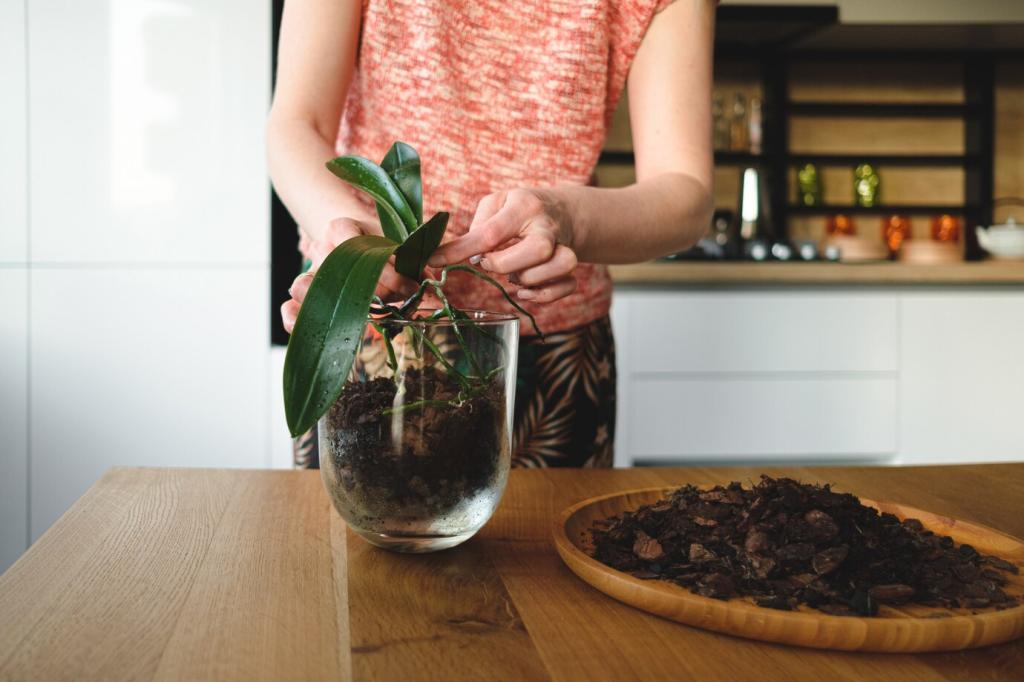
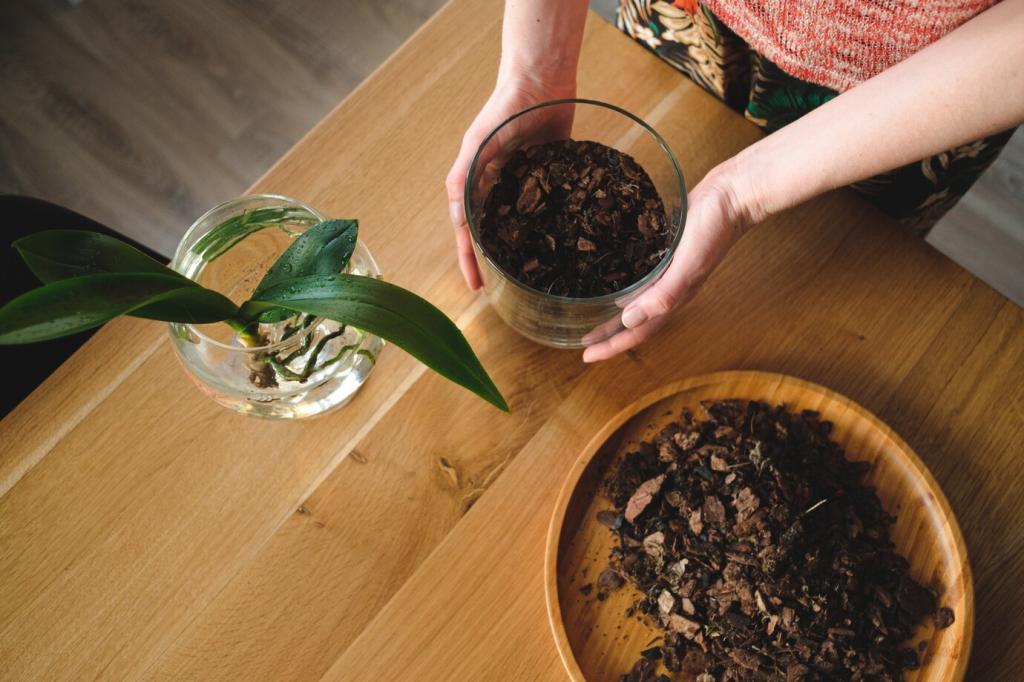
Line the bottom with shredded cardboard, dry leaves, or coir, then add a thin twig layer or a breathable fabric to improve drainage. This base catches moisture, prevents sludge, and sets the tone for odor-free composting. Post a snapshot of your first layer to inspire fellow readers.
Moisture and Aeration: The Balcony Goldilocks Zone
Grab a handful and squeeze: you want it to feel like a wrung-out sponge, releasing one or two drops at most. Mist with a spray bottle rather than pouring water. If it is soggy, add dry browns and fluff. Share your best quick fixes in the comments.
Moisture and Aeration: The Balcony Goldilocks Zone
Spend two minutes each week gently mixing with a hand rake or tongs. Poke vertical air channels using a dowel, then cover again with browns. Keep the lid on between turns. What compact tool do you use for aeration in tight quarters? Tell us below.
Moisture and Aeration: The Balcony Goldilocks Zone
Drill several small holes, three to six millimeters, and set a tray beneath the bin. Empty the tray regularly. Dilute any leachate at least one to ten before using on ornamental plants, never on edibles. How do you handle runoff discreetly? Share your routine.
Feeding Schedule and the Carbon-Nitrogen Balance
For every cup of fruit and vegetable scraps, add roughly two cups of shredded cardboard, paper, or dry leaves. Chop scraps small for quicker breakdown. Skip meats, dairy, and oils. Track your ratios for a week and tell us how your bin responded.
Feeding Schedule and the Carbon-Nitrogen Balance
Collect scraps in a countertop caddy for two to three days, then add in a small batch. Cover with a generous brown cap each time. This reduces fruit flies and helps ratios. Subscribe for our printable balcony-friendly batching tracker and share your favorite brown materials.
Odor and Pest Control Without Harsh Chemicals
Fully cover fresh greens with a carbon layer, maintain sponge-like moisture, and turn regularly for airflow. When my neighbor Jonas noticed banana-peel whiffs, we blitzed the surface with extra shredded mail and the smell vanished in minutes. Add your checklist tweaks below.
Odor and Pest Control Without Harsh Chemicals
Fit a fine mesh over vents and keep the lid snug. Bury scraps beneath browns, and trap fruit flies with a tiny dish of vinegar and a drop of soap. Sweep crumbs immediately. What balcony wildlife visits you, and what works kindly to deter them?
Your five-minute weekly ritual
Open, sniff, squeeze-test, fluff, sprinkle browns, wipe edges, and empty the tray. Set a recurring reminder on your phone. Post your checklist on the inside lid. Comment with your personal ritual, and we will feature clever ideas in a future roundup.
Check for compaction, gnats, or sour notes. If warm, aim for pleasantly earthy rather than hot. If cold and slow, add smaller greens and fluff more often. Keep brief notes. Would you use a downloadable logbook? Subscribe and vote in our next poll.
Harvesting, Sifting, and Using Your Balcony Black Gold
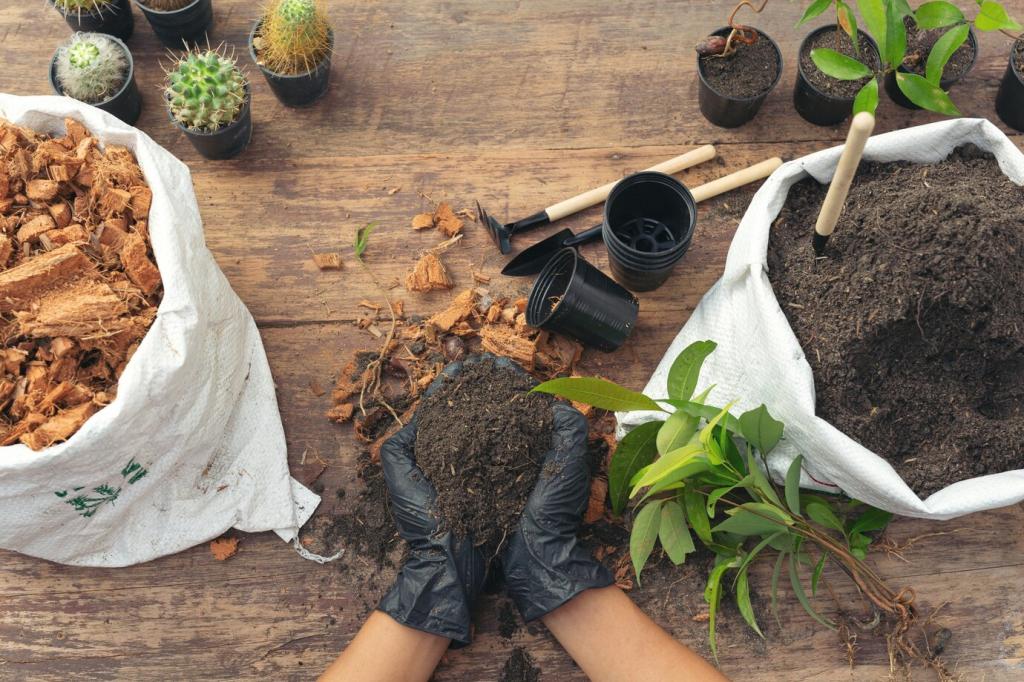
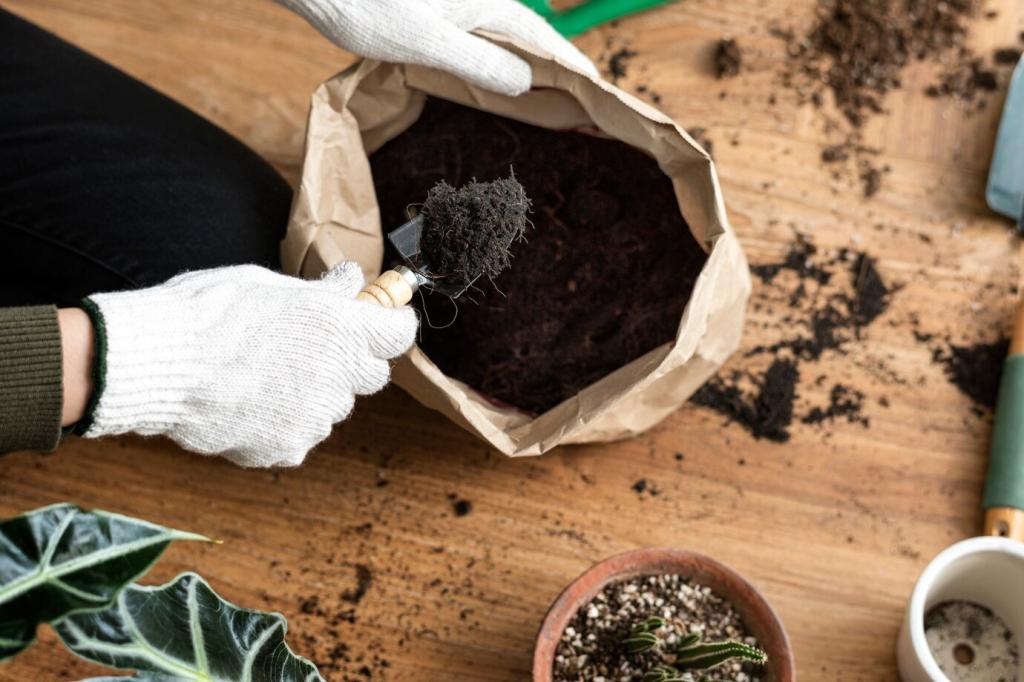
Look for dark, crumbly texture, an earthy forest smell, and very few recognizable bits. Let it cure a couple of weeks to mellow. When Rosa top-dressed her balcony basil, growth exploded within days. Share before-and-after plant photos to inspire the community.
Harvesting, Sifting, and Using Your Balcony Black Gold
Make a simple frame with quarter-inch mesh and shake gently over a tray or tarp. Return larger pieces as starter for the next batch. This keeps pots tidy and drains beautifully. Have a creative sifter hack? Tell us how you built it.