Balcony Composting for Beginners: Turn Scraps into Garden Gold
Chosen theme: Balcony Composting for Beginners. Welcome, urban growers! Today we’ll transform kitchen leftovers into living soil on even the tiniest balcony—quietly, cleanly, and confidently. Subscribe and tell us your balcony size to receive tailored tips.
Why Balcony Composting Works
Microbes, air, and moisture turn your peels and coffee grounds into nutrient-rich humus, cutting trash and nurturing balcony plants. It’s circular, satisfying, and surprisingly low-effort once your setup and rhythm click.
Find the Right Spot
Choose a shaded, accessible corner protected from wind and direct rain. Leave room to open the lid easily. Check building rules, weight limits, and keep walkways clear to stay friendly with neighbors.
Week One Expectations
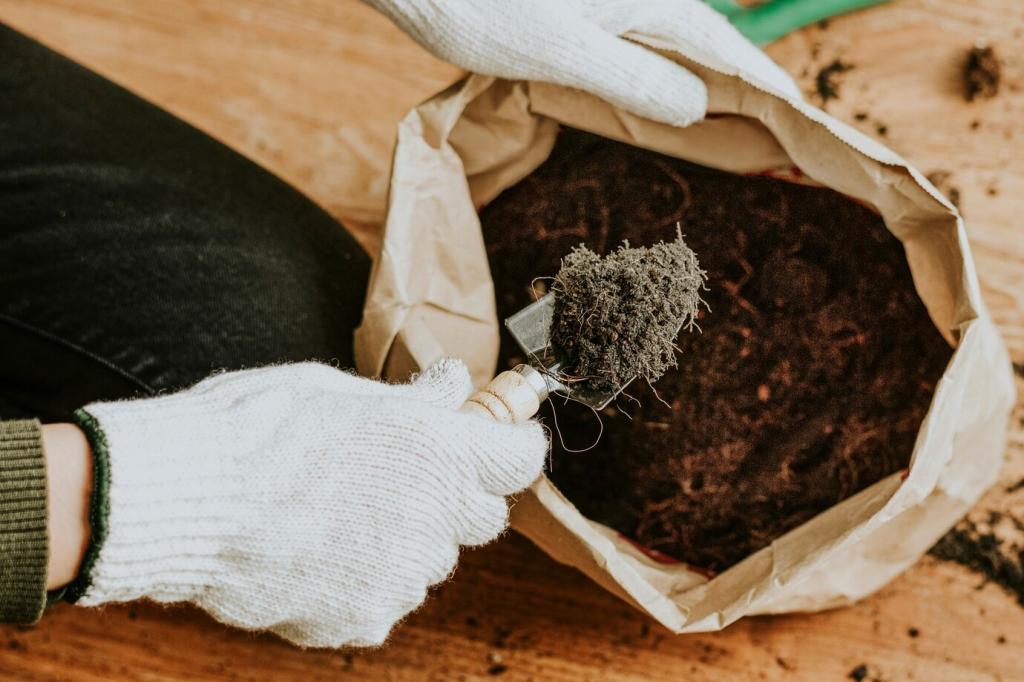
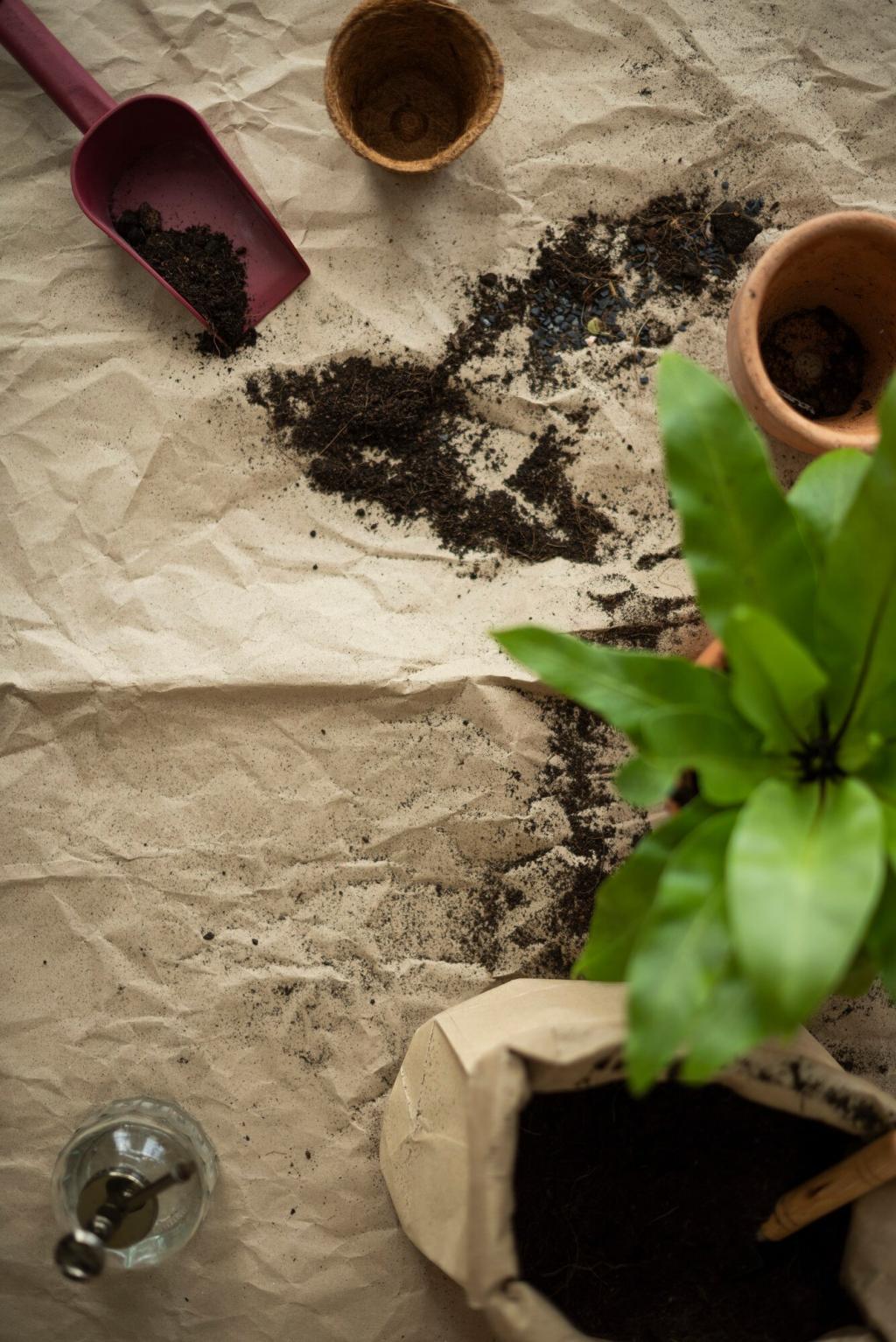
Collect a starter pile of browns, freeze greens to prevent fruit flies, and assemble your bin. Expect curiosity, not perfection. Share your setup photo and questions; we’ll cheer you on and troubleshoot together.
Feed Your Microbes: Browns, Greens, and Ratios
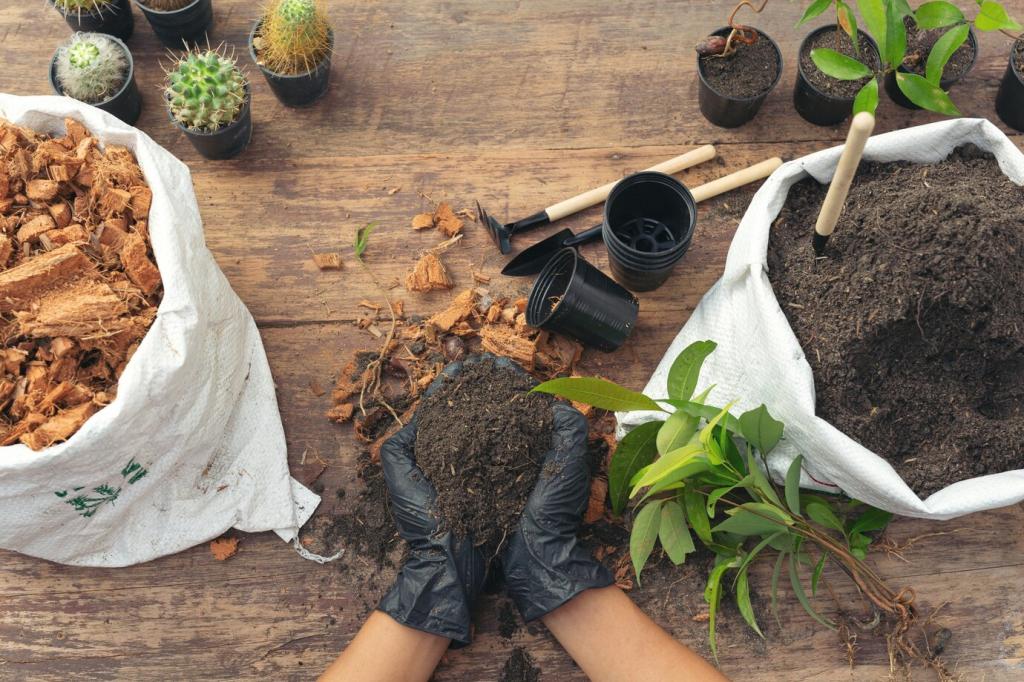
Greens: coffee grounds, tea leaves, fresh peels, herb stems. Browns: shredded cardboard, paper, dry leaves, coco coir. Avoid meat, dairy, oils, and glossy or compostable plastic that may not actually break down.
Always bury fresh scraps under a generous layer of browns. This simple habit locks in smells, deters fruit flies, and helps balance moisture. Think of it as tucking your kitchen scraps into bed.
Shade the bin, add smaller batches more frequently, and mist dry layers. Keep lids vented, not sealed tight. If it heats quickly, feed less but more often, preventing spikes that invite fruit flies.